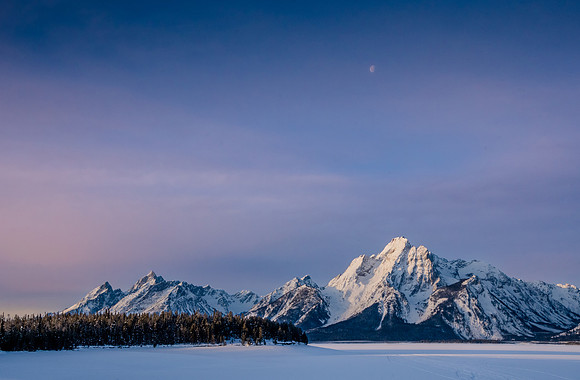
I seek out wild places for many reasons: light, weather, landscapes, wildlife. But underlying all of it is quiet. Not silence—nature is never silent—but the kind of quiet that allows wind, water, wings, and distance to exist without competition.
And yet, again and again, I find myself in beautiful places where quiet is treated as optional.
I choose campgrounds carefully. I stay outside of towns. I drive farther, hike longer, and position myself away from crowds because I value peace. Still, I end up in places where people walk within feet of my camper, unaware—or unconcerned—that they are passing just inches away from someone’s bed. I find myself surrounded by sound that doesn’t belong to the landscape: engines, amplified music, idle chatter that carries farther than expected.


Recently, I settled into a small cabin about thirty minutes outside of West Yellowstone. It’s far from the town center and removed from the usual tourist flow. On paper, it seemed like exactly the kind of place quiet would naturally exist. Instead, I discovered I had landed squarely in snowmobile country.
Within a strip of small cabins, a neighbor has parked their snowmobile directly outside their door and left it running—for over an hour at a time—three times in less than a week. The noise is constant and heavy. Worse, the exhaust has seeped through the thin gaps of a cheaply made window, filling the cabin with the smell of fuel. Quiet isn’t just absent in moments like this; it’s replaced by something invasive.
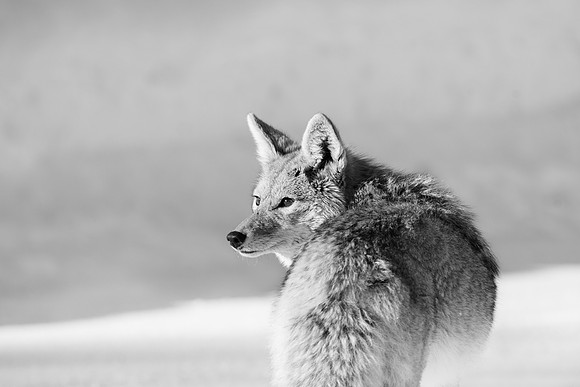
This isn’t a single incident, or a single place.
While camping in the Tetons during summer, I had my camper windows open to let in the cool evening air. The light was soft, the temperature perfect, the kind of moment that feels fleeting and rare. As night settled in, a group nearby turned up music at their fire pit. The sound carried easily through the campground, overpowering the natural stillness that had been forming.
I remember thinking how the animals had gone silent, replaced by a noise that didn’t belong there.
 Elk of Grand Teton National ParkElk in Grand Teton National Park Wyoming
Quiet matters because it is part of the experience. Nature isn’t just visual. It’s sensory. It’s the rustle of grasses, the movement of water, the distant call of a bird you can’t quite place. When artificial noise enters these spaces, it doesn’t just add sound—it replaces something essential.
Quiet is also practical. Wildlife depends on it. Animals don’t linger where engines run endlessly or music echoes through valleys. For someone who seeks out wildlife—not just photographs, but presence—noise becomes a barrier. It changes behavior. It shortens encounters. It turns living landscapes into backdrops rather than ecosystems.
 Big Horn of the Tetons
What makes this harder is that quiet feels increasingly difficult to find, even in places designed for escape. We drive farther from towns, choose less obvious locations, and still bring the noise of daily life with us. Speakers, engines left running, machines idling unnecessarily—small choices that ripple outward in wide-open spaces.
Quiet isn’t about rules or rigidity. It’s about awareness. About recognizing that shared landscapes require shared consideration. That someone else may be listening for something you aren’t. That peace, once broken, is hard to restore.
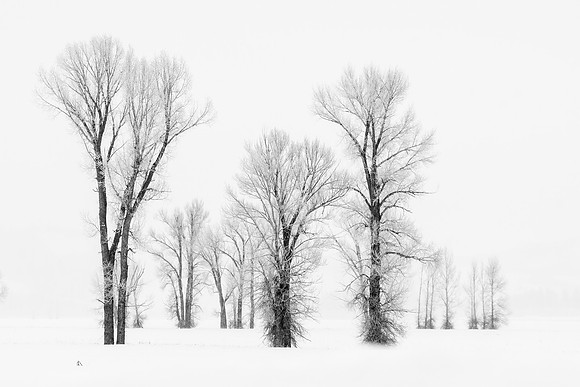 Black and White Winter Forest
When I go out into nature, I’m not looking to be entertained. I’m looking to listen. To observe. To let the place speak for itself. To be a part of something bigger.
Quiet allows that to happen.
And in a world that feels louder every year, protecting quiet—especially in wild places—feels less like a preference and more like a responsibility.